Last reviewed: November 2026. This guide is general information. Check any product or service against your own organization’s needs before you commit to it.
The sustainability case for immersive technology is simple to state: if some visits happen virtually, fewer people travel to places that cannot cope with them. Researchers have proposed the idea and measured people’s attitudes to it. What nobody cited here has measured is whether virtual visits replace real ones.
Key takeaways
- The idea: “second chance tourism” uses virtual and mixed reality to offer experiences of sites that have deteriorated, closed or been destroyed.
- Attitudes: in a study of 359 VR users, concern about the environmental impact of travel was linked to eco-guilt and to attitudes toward VR tourism.
- The gap: attitudes and intentions are not evidence of fewer trips or lower emissions.
In this guide
What the research shows
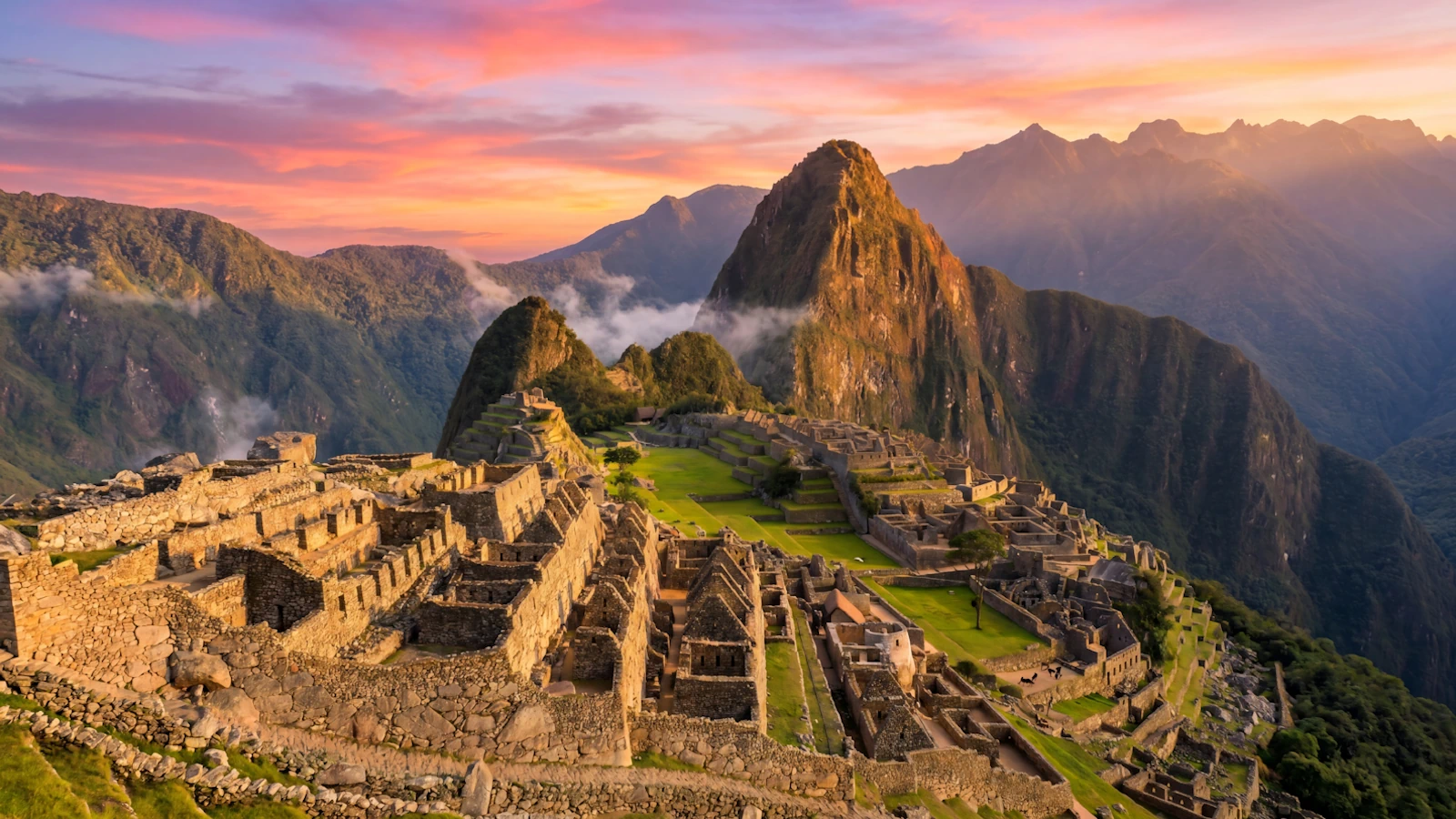
- Second chance tourism. A 2021 paper in Tourism Management notes that closing tourism sites is becoming more common because preservation is hard to manage alongside visitors. It proposes virtual and mixed reality as a way to keep offering an experience of such places and reduce pressure on fragile destinations. It is a framework, not a test.
- Why people consider VR tourism. A 2022 study in the Journal of Sustainable Tourism analyzed 359 responses from VR users. Awareness of the environmental impact of travel, and anxiety about traveling during the pandemic, were positively associated with eco-guilt, which was in turn tied to attitudes toward VR tourism.
- Still poorly understood. A 2022 study in the Journal of Business Research by some of the same authors describes VR tourism as a form of travel that happens away from the site, and says consumers’ motivations to use it as a sustainable option are not yet fully understood.
- AR on site. A 2023 study of a UNESCO-recognised heritage attraction in the UK, based on 50 stakeholder interviews, examined how AR could support sustainable development. Its authors say research on that question has been limited.
Limits of the evidence
- No measure of substitution. The studies here do not track whether anyone skipped a trip because of a virtual visit.
- It can work the other way. VR is mainly studied as a marketing tool that raises intention to visit. See VR for destination marketing. The same experience that might replace one trip could prompt another.
- Pandemic context. Some attitude data were collected when travel was restricted, so they may not hold now.
Questions to ask
- Is the aim to replace visits to a fragile area, or to attract more visitors? The same tool can do either.
- Can a virtual experience be offered at the site entrance, so people see a closed or fragile area without entering it?
- How will we count visitor numbers in the sensitive area before and after?
For virtual visits by people who cannot travel, see virtual travel from home. For AR at heritage sites, see AR in museums and cultural heritage sites.
Common questions
Can virtual reality reduce overtourism?
Researchers have proposed it, under the name second chance tourism, as a way to offer experiences of fragile or closed sites. The studies cited here do not measure whether virtual visits replace real ones.
Is VR tourism better for the environment?
It avoids the journey, and a study of 359 VR users found environmental concern was linked to attitudes toward VR tourism. Whether it lowers emissions overall depends on whether it replaces trips, which has not been shown.
Sources
- Bec A, Moyle B, Schaffer V, Timms K. Virtual reality and mixed reality for second chance tourism. Tourism Management, 2021.
- Talwar S, Kaur P, Nunkoo R, Dhir A. Digitalization and sustainability: virtual reality tourism in a post pandemic world. Journal of Sustainable Tourism, 2022.
- Talwar S, Kaur P, Escobar O, Lan S. Virtual reality tourism to satisfy wanderlust without wandering: An unconventional innovation to promote sustainability. Journal of Business Research, 2022.
- Cranmer E, tom Dieck M C, Jung T. The role of augmented reality for sustainable development: Evidence from cultural heritage tourism. Tourism Management Perspectives, 2023.