
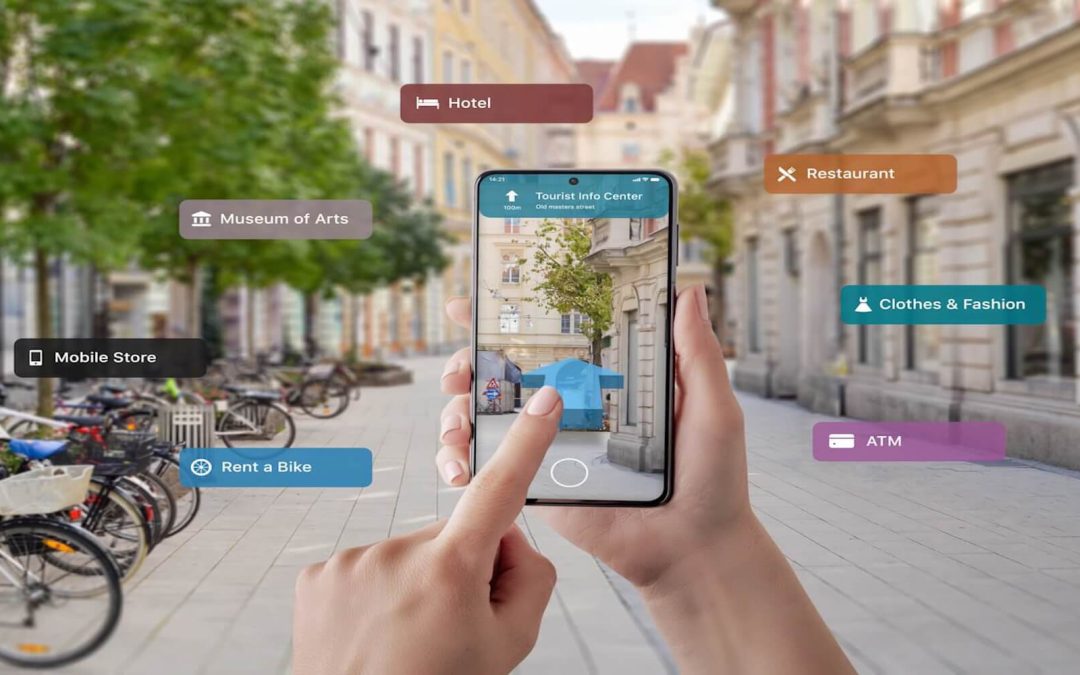
The Role of AR and VR in Adventure Tourism
The integration of Augmented Reality (AR) and Virtual Reality (VR) is revolutionizing the adventure tourism industry. These technologies allow travelers to engage with thrilling experiences, such as rock climbing, bungee jumping, and scuba diving, all from the comfort of their home. Beyond excitement, AR and VR offer comprehensive safety training modules that prepare tourists for real-world challenges. As these technologies evolve, they enhance both the fun and the safety of adventure tourism.
Enhancing Adventure Tourism with Virtual Previews
One of the most significant features of VR in adventure tourism is its ability to offer immersive previews of various activities. These virtual experiences help users explore destinations and adventures before they even step foot on-site, easing anxiety and enabling them to make well-informed decisions.
Key Benefits of Virtual Previews:
- 360-degree immersive exploration: VR provides a panoramic view of adventure destinations, such as ski resorts, mountain trails, or underwater diving sites.
- Detailed adventure simulations: Users can experience the thrill of extreme sports like skydiving, paragliding, or deep-sea diving virtually.
- Interactive adventure guides: Tourists can follow virtual guides who explain essential details and challenges about each activity.
- Personalized previews: Travelers can tailor their experience based on their fitness level, preferences, and desired activities.
These features not only reduce the uncertainty surrounding adventurous activities but also empower tour operators to provide interactive and engaging demonstrations of their offerings, potentially leading to higher bookings. To explore how AR and VR are transforming travel experiences, check out this insightful article on XR Labs.
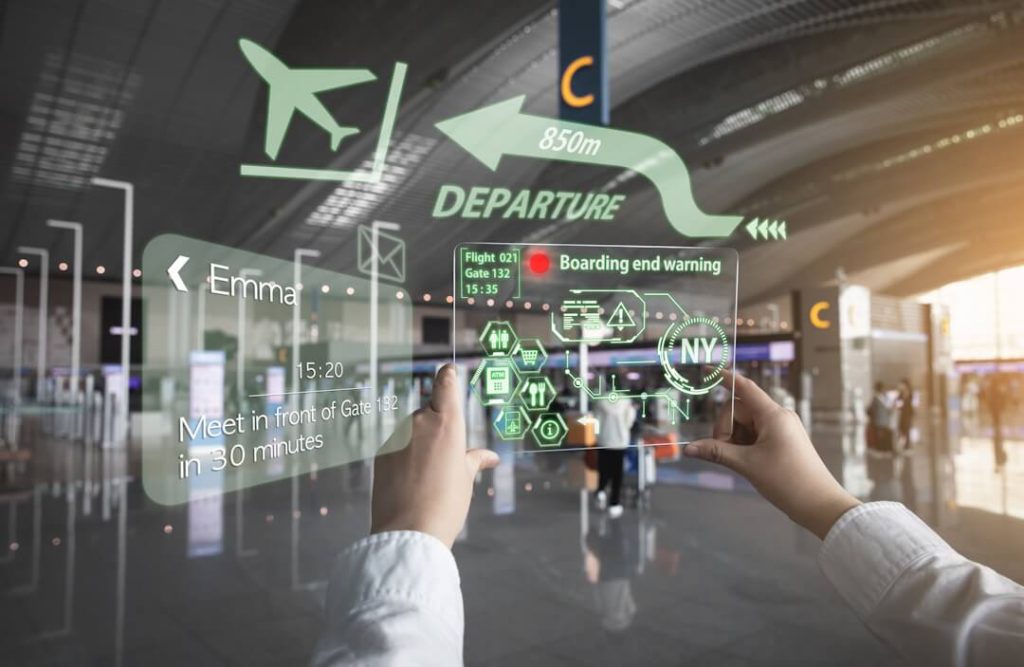
Enhancing Safety with AR and VR Training
In high-risk adventure tourism, safety is the top priority. AR and VR provide tourists with virtual training programs that simulate hazardous environments, helping them gain hands-on experience in managing emergencies without real-world risks. This gives participants the confidence and preparation they need to handle the actual adventure.
How AR and VR Improve Safety:
- VR-based safety drills: Virtual simulations allow tourists to practice emergency scenarios like parachute failures during skydiving or malfunctioning diving equipment in deep waters.
- Real-time AR overlays: AR technology offers real-time navigation and safety alerts, providing live updates on terrain, weather, or hazards during activities such as hiking or biking.
- Personalized safety training: VR can create customized training modules based on the traveler’s physical fitness and previous experience, allowing for a tailored learning experience.
These technologies significantly reduce the likelihood of accidents and equip travelers with the knowledge and skills needed to face real-world challenges. Discover more about how AR enhances safety in tourism in this Rock Paper Reality article.
The Future of AR and VR in Adventure Tourism
As AR and VR technologies continue to advance, they are reshaping the future of adventure tourism. New applications are emerging that make experiences more accessible and safer while enhancing the overall satisfaction of tourists.
Future Trends to Watch:
- Gamification of adventure tourism: AR and VR can add game-like elements, where travelers earn points or rewards by completing virtual challenges or participating in quests.
- Enhanced AR navigation tools: Apps powered by AR will help travelers navigate remote and challenging terrains by providing real-time guidance on routes, elevation, and terrain conditions.
- Collaborations with tech companies: Adventure tourism operators are partnering with technology firms to create branded virtual experiences that can be accessed from anywhere in the world.
Conclusion: A New Era for Adventure Tourism
The integration of AR and VR into adventure tourism marks a new era in travel. These technologies not only make adventure tourism more accessible and safer, but they also create more immersive and engaging experiences. From virtual previews to personalized safety training, AR and VR are shaping the future of adventure tourism for thrill-seekers around the globe.
To read more about AR and VR in Tourism, visit www.ARVRTravel.com.